Overview
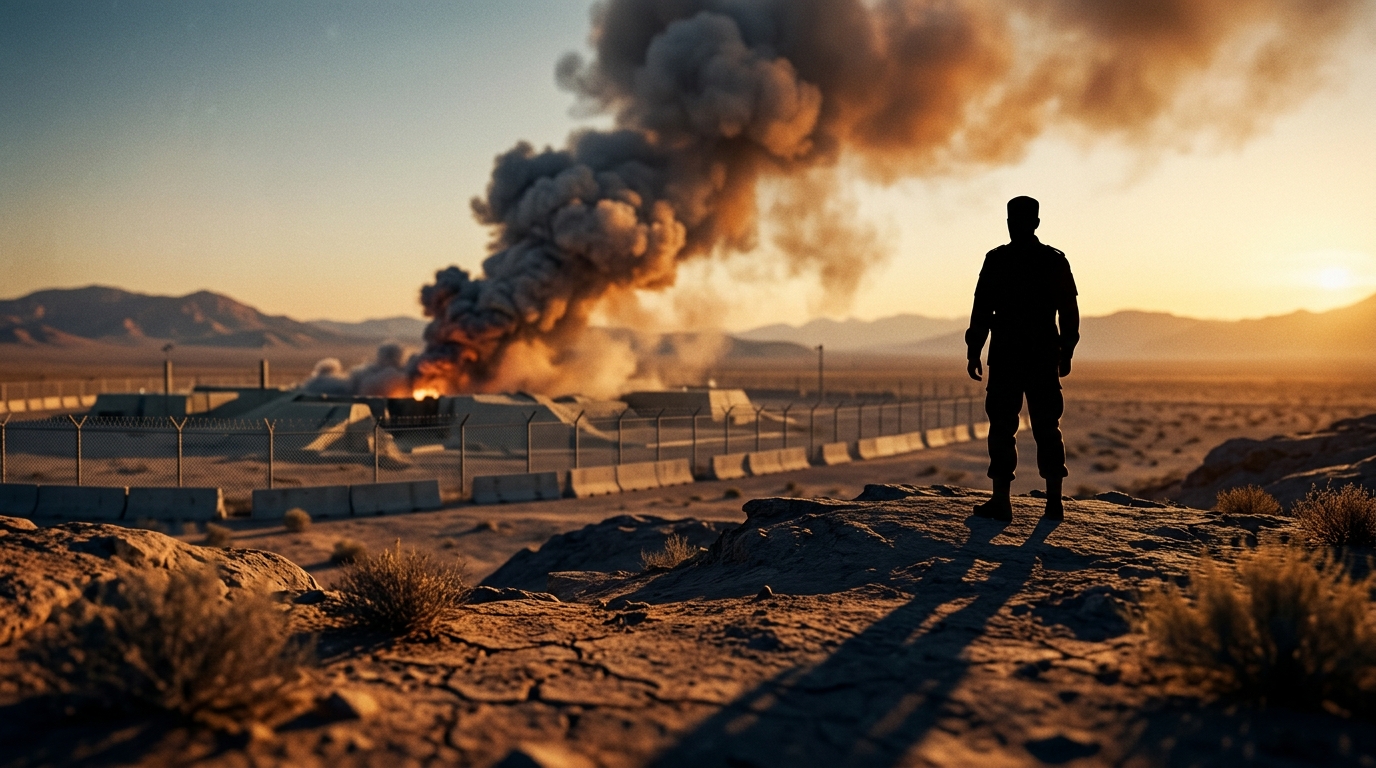
On Saturday, 21 March 2026, the United States and Israel carried out a coordinated airstrike on Iran’s Natanz nuclear facility. The attack was described by Iran’s Atomic Energy Organisation of Iran as a “criminal” act, but it reported no leakage of radioactive material.
Key Developments
- Joint US‑Israel strike targeted the Natanz site, causing visible damage to several buildings as per satellite imagery.
- The attack follows previous Israeli airstrikes in the June 2025 Iran‑Israel war and earlier US‑led operations against Iranian nuclear assets.
- Iran’s official statement, disseminated via the Tasnim news agency, confirmed no radioactive leakage, limiting immediate environmental and health concerns.
- Strategic location: Natanz lies roughly 220 km (135 miles) southeast of Tehran, making it a critical node in Iran’s nuclear infrastructure.
Important Facts
The Natanz site is the heart of Iran’s uranium enrichment programme, enabling the country to produce low‑enriched fuel for reactors and, potentially, weapons‑grade material. Damage to the complex could delay Iran’s nuclear timeline, but the extent of operational disruption remains unclear. International observers note that repeated strikes raise the risk of escalation between Tehran and the US‑Israel axis.
Exam Relevance
Understanding this incident is vital for several UPSC components:
- GS III – International Relations: The strike illustrates power projection, deterrence, and the role of nuclear capability in regional geopolitics.
- GS II – Polity & Governance: Iran’s response, through its atomic agency and state media, reflects how governments manage crisis communication and sovereignty claims.
- GS IV – Ethics & Integrity: The legality and moral dimensions of pre‑emptive strikes on nuclear facilities are debated in international law and ethics.
Way Forward
Analysts suggest several possible trajectories:
- Diplomatic engagement: International bodies such as the IAEA may intensify inspections to verify that the strike has not compromised safety.
- Strategic recalibration: Iran could accelerate alternative enrichment sites or shift focus to covert operations, affecting non‑proliferation regimes.
- Regional stability: Continued US‑Israel actions risk provoking retaliatory measures by Iran, potentially drawing in allied powers and destabilising the Middle East.
For UPSC aspirants, tracking the evolving narrative will aid in answering essay and optional questions on nuclear diplomacy, security dilemmas, and the interplay of national interests with global non‑proliferation norms.