Overview
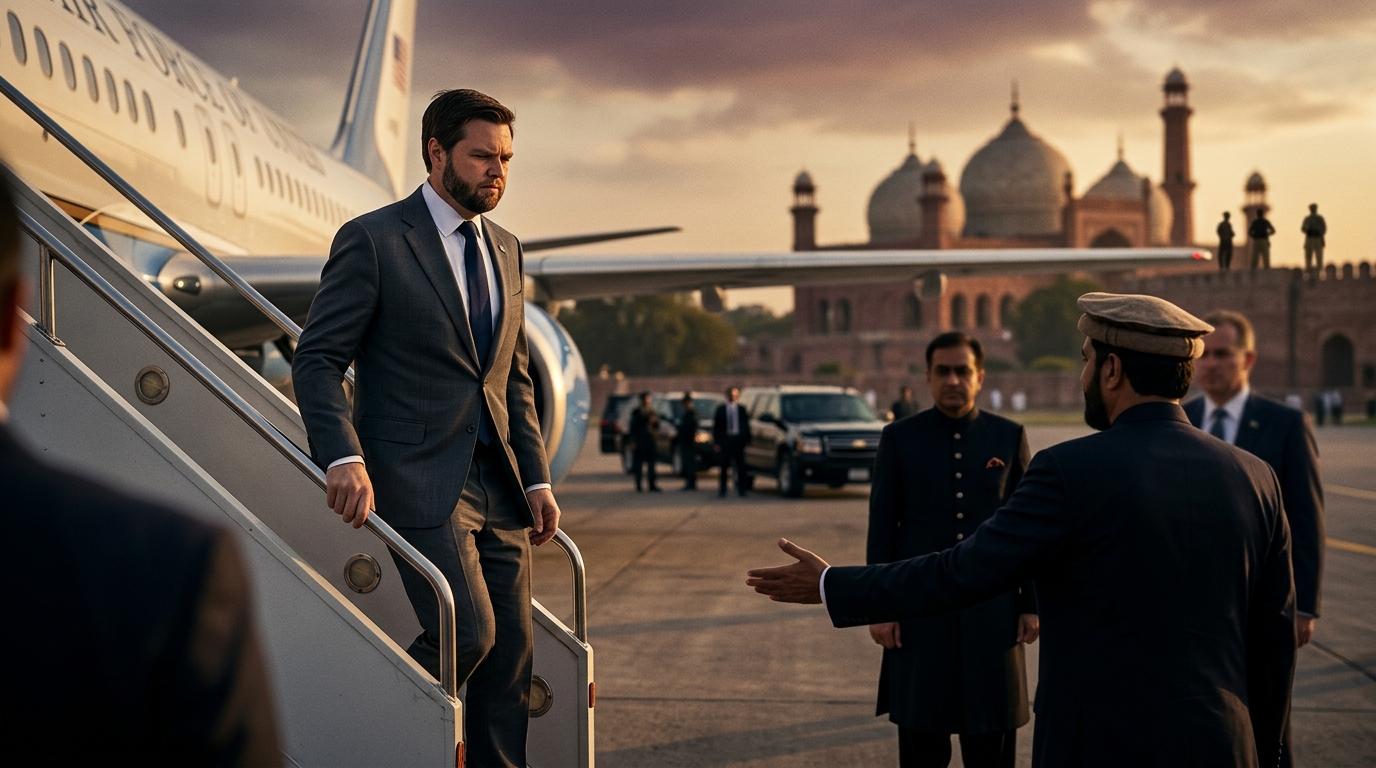
On April 10, 2026, U.S. Vice President JD Vance departed from Joint Base Andrews for a series of U.S.-Iran peace talks scheduled in Pakistan. Simultaneously, India expressed concern over civilian casualties in Lebanon, and Iran mourned the death of former foreign minister Kamal Kharazi.
Key Developments
- JD Vance signalled a “positive” negotiation stance, offering an “open hand” to Iran if it engages in good‑faith talks.
- India’s MEA warned that civilian protection and respect for sovereignty are “foremost priorities” after Israel’s heavy bombardment in Lebanon.
- Former foreign minister Kamal Kharazi, who once hinted at Tehran’s nuclear ambitions, died from injuries sustained in a recent airstrike.
Important Facts
- Casualties in Lebanon exceed 300 following Israel’s worst bombardment in the ongoing war with Lebanon.
- Kamal Kharazi served under President Mohammad Khatami and later advised Supreme Leader Ayatollah Ali Khamenei.
- The talks in Pakistan are expected to involve senior diplomats from Washington and Tehran, though no concrete timetable has been announced.
Exam Relevance
The episode illustrates several themes relevant to the UPSC syllabus: (i) India’s foreign policy response to regional conflicts (GS2: Polity); (ii) the role of third‑party mediation in South Asian security dynamics (GS2); (iii) the impact of nuclear‑related rhetoric on diplomatic negotiations (GS2); and (iv) the importance of civilian protection under international humanitarian law (GS4: Ethics). Understanding the interplay between bilateral talks and multilateral concerns helps aspirants analyse India’s strategic positioning.
Way Forward
- Monitor the outcome of the Pakistan‑hosted talks for any shift in U.S.–Iran engagement.
- Track India’s diplomatic communications with Israel and Lebanon to gauge its stance on civilian protection.
- Assess the implications of Kharazi’s death on Iran’s foreign‑policy establishment and possible hardening of Tehran’s negotiating posture.