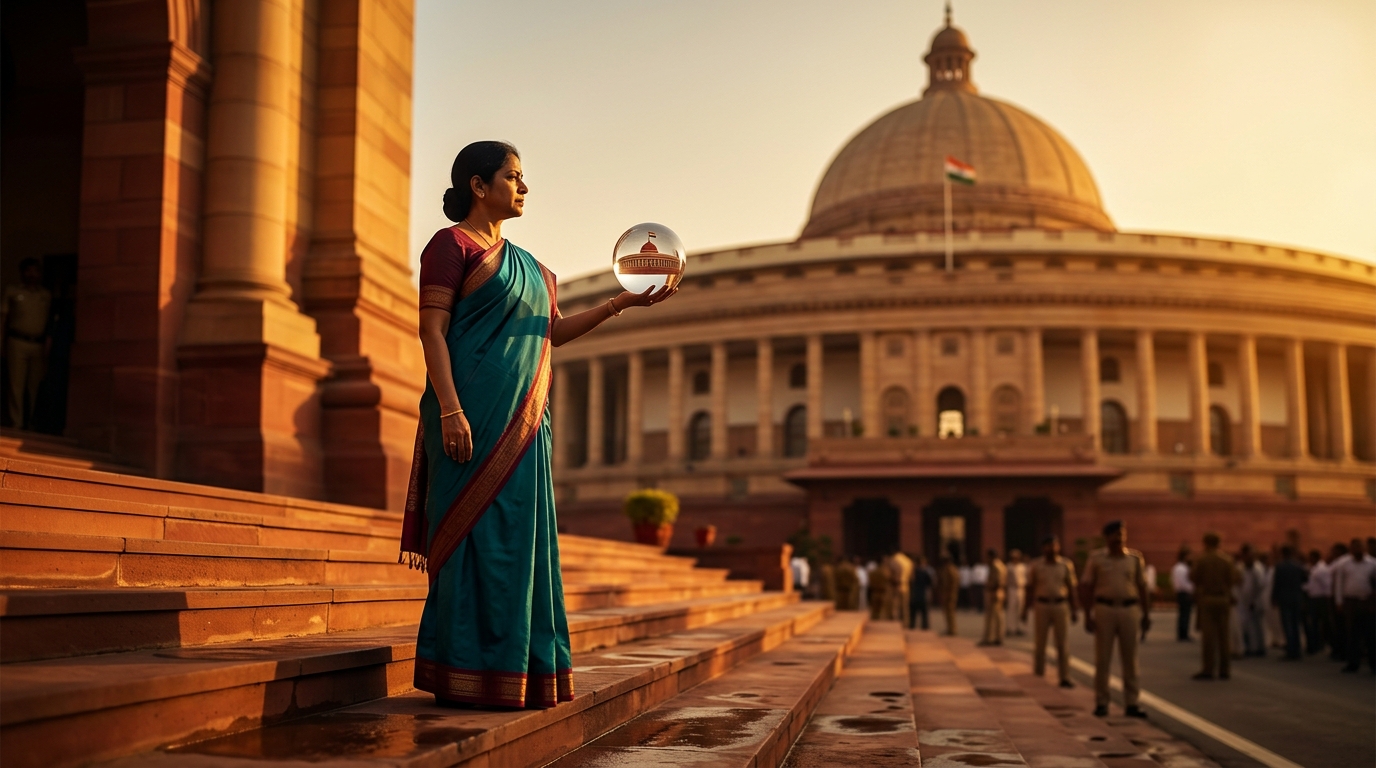
The Congress on April 21, 2026 revived letters written by Sonia Gandhi and Rahul Gandhi to Prime Minister Narendra Modi demanding immediate implementation of the Women’s Reservation Bill. The party alleges that the Modi Government has "slept" on the demand and is now tying it to the pending delimitation exercise.
Key Developments
- Congress general secretary Jairam Ramesh highlighted that in 2017 Sonia Gandhi wrote to the Prime Minister urging the passage of the Women’s Reservation Bill.
- The party claims the current government has postponed the bill’s implementation by linking it to the upcoming delimitation of constituencies, which is scheduled after the 2026 census.
- Congress demands that the reservation be enacted without any conditionality, emphasizing gender equity in legislative representation.
Important Facts
The Women’s Reservation Bill, first introduced in 1996, seeks to reserve one‑third of seats for women in both the Lok Sabha and state assemblies. Despite multiple approvals in Parliament, it has not been enacted due to political disagreements. The last major push came in 2017 when Sonia Gandhi, then Congress President, directly appealed to the Prime Minister. Delimitation, a constitutionally mandated process, is expected to be undertaken after the 2026 census, and the government’s stance is that any amendment to the reservation provision must await the new constituency map.
Exam Relevance
Understanding the interplay between Women’s Reservation and delimitation is crucial for GS‑2 (Polity) questions on constitutional amendments, gender equity, and electoral reforms. The episode also illustrates party politics, the role of opposition in policy advocacy, and the procedural hurdles in passing social legislation.
Way Forward
- Parliament should consider a separate legislative route for the reservation bill, decoupling it from delimitation to avoid further delays.
- Stakeholders, including civil society and women’s groups, need to intensify advocacy to build consensus across party lines.
- The government must clarify its timeline for delimitation and ensure that the reservation provision does not become a bargaining chip.
By addressing these steps, India can move closer to achieving gender‑balanced representation in its legislative bodies, a key indicator of democratic maturity.